

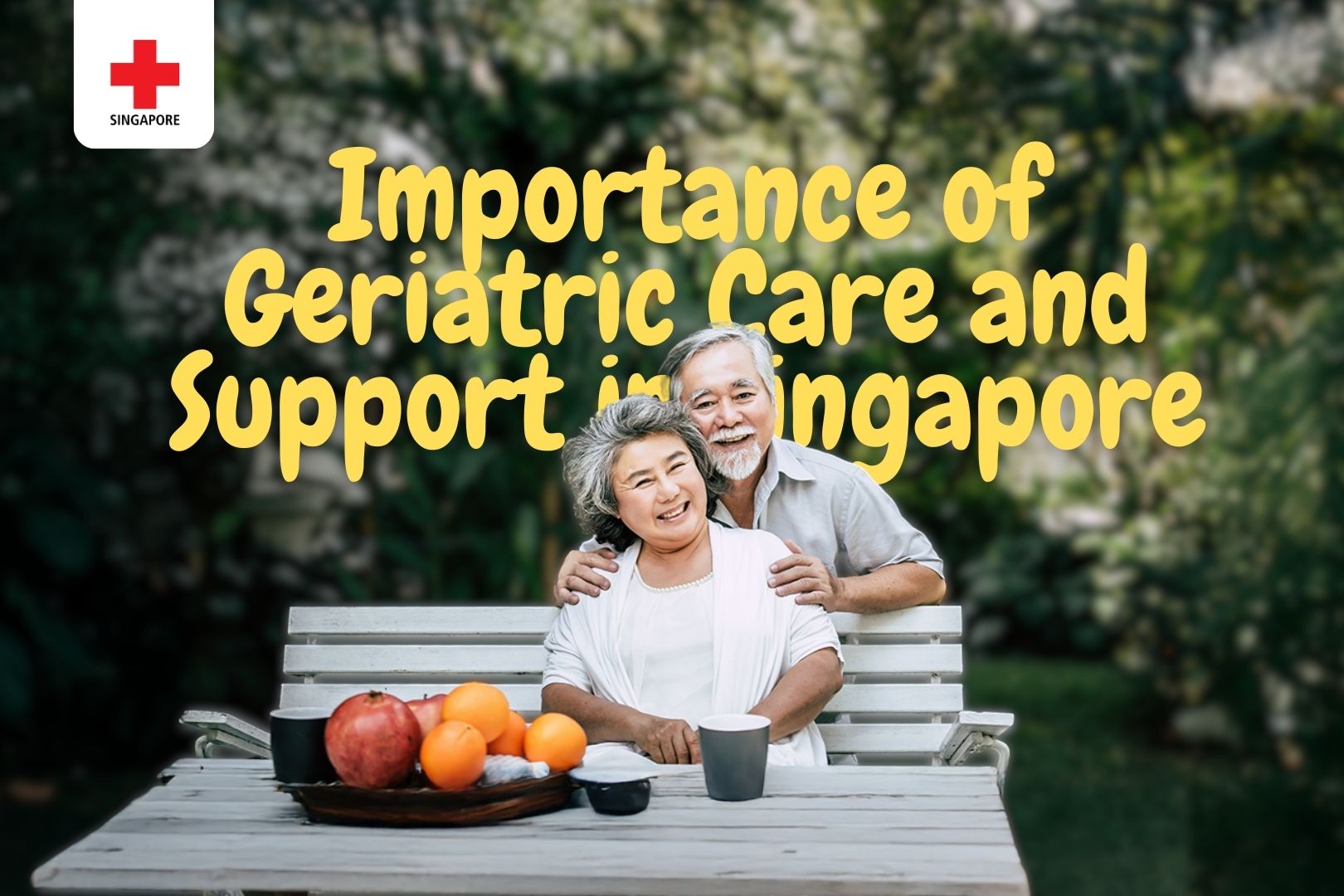
Singapore, while renowned for its rapid development and futuristic vision, faces the burgeoning challenge of an ageing population. The experience of growing old in this vibrant city-state represents a complex interplay of government policies, community support, familial structures, and individual circumstances.
The government's awareness of this demographic shift emerged in the 1980s, leading to early investments in infrastructure and laying the groundwork for future policies. This proactive approach, though nascent at the time, set the stage for the more comprehensive initiatives we see today.
To address the challenges of an ageing society, Singapore has implemented comprehensive geriatric care initiatives. These include a robust public healthcare system offering subsidised medical services and a network of eldercare facilities ranging from assisted living arrangements to nursing homes.
Building On Filial Piety
However, the reality extends beyond government programmes. Filial piety remains a strong cultural value, with many families prioritising home-based care. This approach, while providing strong family support, also places significant strain on caregivers — particularly in multi-generational households with limited space.
The government complements this by actively promoting active ageing through community programmes and partnerships with organisations like the Singapore Red Cross, fostering engagement and volunteer opportunities for seniors.
The ongoing shift towards smaller, nuclear families challenges the traditional model of family care, increasing reliance on professional eldercare services. Balancing affordability with quality of life remains a significant concern for both seniors and their families.
A Balancing Act
In essence, ageing in Singapore represents a journey of progress and persistent challenges. While the nation boasts advanced geriatric care infrastructure, the human element such as family dynamics, cultural values, and individual needs remains to be of paramount importance. It's a story of ongoing adaptation, innovation and the pursuit of optimal balance between societal support and individual dignity.
Filling the Gaps with Community
While numerous government policies support the ageing population across healthcare, social support, and community engagement, gaps inevitably remain. Community support is crucial to augment government efforts, particularly in areas like daily living assistance, emotional support and psychosocial well-being.
Government healthcare policies include subsidised healthcare through MediShield Life and other national insurance schemes, reducing financial burdens for many. Eldercare facilities, both public and private, offer diverse care levels while innovative approaches address the challenges of limited land availability. Social support programmes provide home-based care and community services, and active aging initiatives encourage continued engagement and learning.
The Path Forward
However, effective implementation requires comprehensive caregiver training and education. Organisations like the Singapore Red Cross can play a vital role in providing structured training programmes for family members, hired caregivers, and volunteers. This approach complements existing facilities and services, enhancing quality of life and reducing isolation. Such education can also empower the elderly to care for themselves.
While the aim is to improve the quality of life for seniors, the effectiveness of Singapore's policies can vary based on individual circumstances and access to resources. A balanced approach, addressing both strengths and weaknesses, is therefore crucial to ensure all seniors enjoy a dignified and fulfilling life. This would require a multi-pronged approach involving government, community, and individual efforts working in harmony.
Written by Mr Mohd Ali Bin Kamal Batcha, State Registered Nurse (Healthcare Quality Management Specialist) at Mount Elizabeth Novena Hospital
Copyedited by Eunice Sng, Marketing & Communications